Short answer: when you lease a warehouse in Miami-Dade, Broward or Palm Beach, square feet is only half the number. A 10,000 square foot building with 24 foot clear can hold more product than a 12,000 square foot building with 16 foot clear. Do the simple math on the cube, 240,000 cubic feet against 192,000, and the smaller building wins. That is why, when a distributor, an HVAC or trades contractor, or an online seller asks me for about 10,000 feet, I start with what is going inside the building, not the footage.
The right building is sometimes smaller than the number you started with. Sometimes it is bigger. Either way, you want to pay for space that actually works for the business.
Why is square footage only half the number?
Rent and listings are quoted by the foot. Inventory lives in the cube.
Usable cubic volume is the floor area you can actually use for storage, multiplied by the height you can actually use. That height is clear height, the distance from the floor to the lowest thing hanging from the ceiling, like beams, lights or sprinkler lines. It is not the height of the roof, and it is not the number painted on the outside of the building.
Two buildings with almost the same footprint can hold very different amounts of product once you measure that way. I want that number before we start comparing rent.
How does clear height change what you can store?
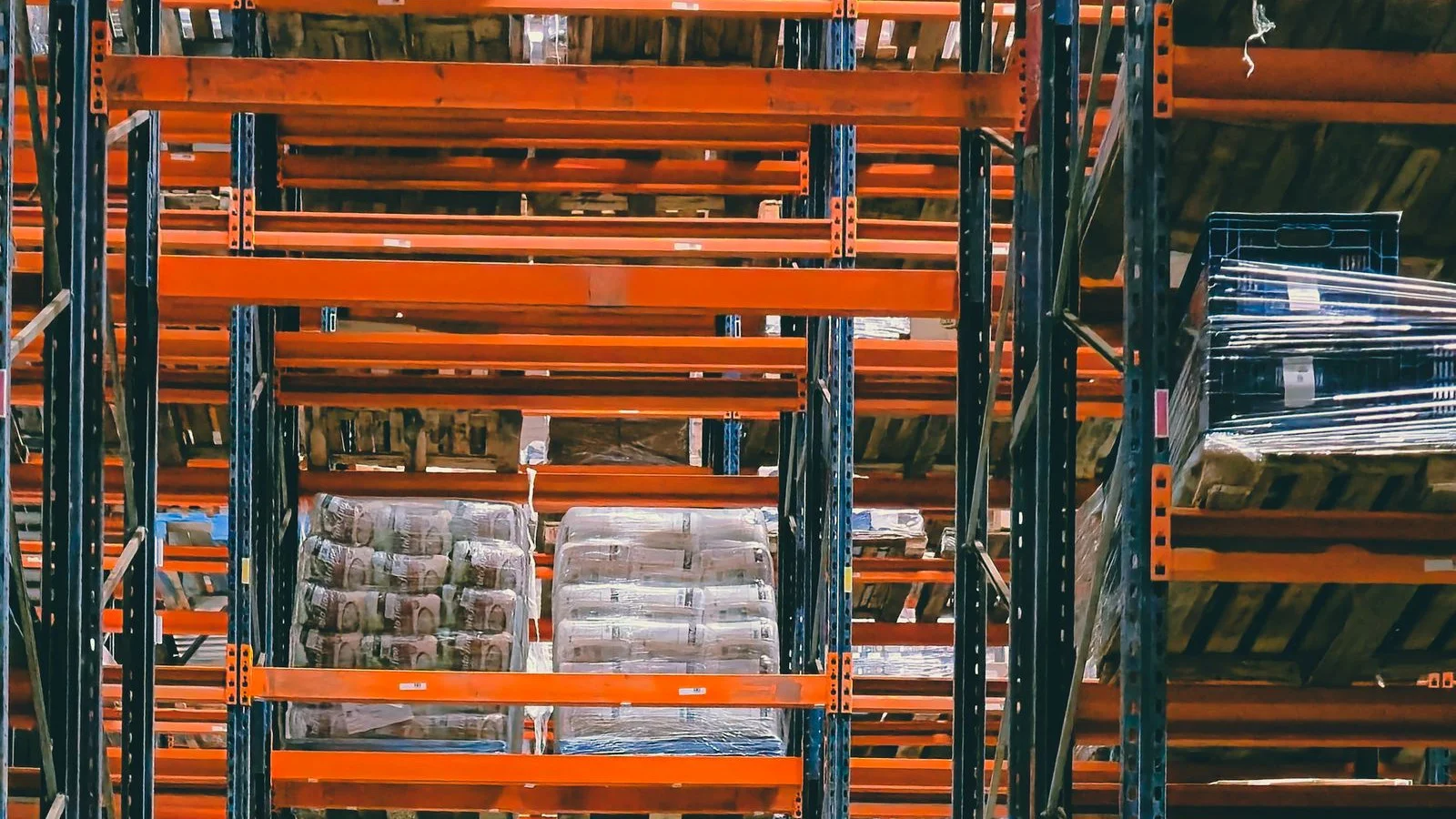
More clear height lets you go up instead of out, as long as you can rack to that height. The first question I ask is how many pallet positions you need today, and how high you can rack.
One catch: the sprinkler system has to be designed for storage at that height. If it is not, you may have to leave a gap under the sprinkler lines, and the extra clear height you thought you were paying for does not hold anything. We check that before you count on it.
I also look at column spacing. Tight columns can break up a racking layout and waste floor you thought you had, even in a tall building. Wide, regular bays make it easier to get the pallet positions you came for.
Can a smaller warehouse with taller clear beat a bigger low building?
Yes. That is the whole point of the 10,000 and 12,000 foot example. The smaller building with 24 foot clear has 240,000 cubic feet. The larger one with 16 foot clear has 192,000. If your product can go up, and the sprinklers allow it, the smaller footprint can be the more useful building.
It is not automatic. If most of the smaller building is office, or the columns get in the way, or you cannot rack high, the math changes. The cube only helps if you can use it.
What space does not hold product?
Office, a showroom, a parts counter, packing tables, a break room. All of that takes floor area. A building with a big built-out office can look like the right size on paper and still be too small in the warehouse.
I always separate the warehouse floor from the rest. The brochure number is the whole space. Your inventory only lives in part of it. That is also why the mix of warehouse, flex and showroom matters, and I walk through that in warehouse vs flex vs showroom.
What about dock doors, the truck court and power?
How many trucks come and go each day, and what kind. Box trucks and vans often work fine at a grade-level door. Trailers need dock-high doors. A lot of users need some of each.
You also need room inside to stage orders before they ship, and room outside for trucks to turn and park. That outside area is the truck court. If it is too tight, the building can be the right size on the inside and still not work.
Power is the other item that gets skipped on a first pass. Some users need more than a standard warehouse, and you want to know what is already in the building before you assume you can plug in and go. I cover doors, the truck court and the rest of that walkthrough in what I check on every warehouse tour.
How do you plan for growth without moving later?
Where will the business be in three years. If you expect to grow, an expansion right or a right of first offer on the bay next door, or a shorter first term with renewal options, can save you a move later. Moving a warehouse operation is expensive and slow, so this one matters.
How do you compare buildings once you know the real size?
Once we know the real size, we compare buildings on total cost, base rent plus NNN, not just the asking rent per foot. A cheaper rent on a building you cannot fully use is not a savings.
What should you ask on a warehouse tour?
Before and during the tour, I want answers to a short list. How many pallet positions do you need, and how high can you rack. What is the clear height to the lowest obstruction, and is the sprinkler system designed for storage at that height. How much of the floor is office, showroom or packing space that will not hold inventory. Do the dock-high and grade-level doors match the trucks you run, and is there room to stage, turn and park. Is the column spacing going to work with your racking. Is the power enough for how you actually operate. And where will you be in three years, and is there a way to expand without moving.
After we answer those, the right building is usually clearer than it was when we started with a round footage number.
FAQ
Q: What does it mean to rent the cube, not just the floor?
It means you size a warehouse by the volume you can actually use, not only by square feet. Clear height, racking and the space that does not hold product all change how much of the building is useful.
Q: Can a smaller warehouse hold more than a larger one?
Yes. A 10,000 square foot warehouse with 24 foot clear has 240,000 cubic feet, which is more than a 12,000 square foot building with 16 foot clear at 192,000 cubic feet. That only holds if you can use the height.
Q: What is clear height in a warehouse?
Clear height is the distance from the floor to the lowest thing hanging from the ceiling, like beams, lights or sprinkler lines. It is not the height of the roof.
Q: Why do sprinklers matter if I want to rack high?
The sprinkler system has to be designed for storage at that height. If it is not, you may have to leave clearance under the lines, and the extra height does not give you more pallet positions.
Q: What should I ask on a warehouse tour before I lease?
Ask about clear height, sprinkler design, pallet positions and racking, office share, dock doors and the truck court, column spacing, power, and whether you can expand in three years.
I have spent about 30 years in retail myself, and I treat a warehouse search the same way I treated a customer on the sales floor. Listen first, then show the right thing. As a tenant rep I work for you, not the landlord, and that work is usually paid from the landlord side. I explain how that works in what a tenant rep does and who pays for it.
Expanding into Miami-Dade, Broward or Palm Beach? If you are looking for warehouse space, reach out to me at igorpresman.com or email sales@igorpresman.com.

Igor Presman
Commercial Broker · Trybal Group
Have a deal this applies to?
Ask me directly — I answer every message personally, usually the same business day.